Essay
What the Artemis II Mission Reminded Me About Being Human
Technology Got Us There. Humanity Made It Matter.
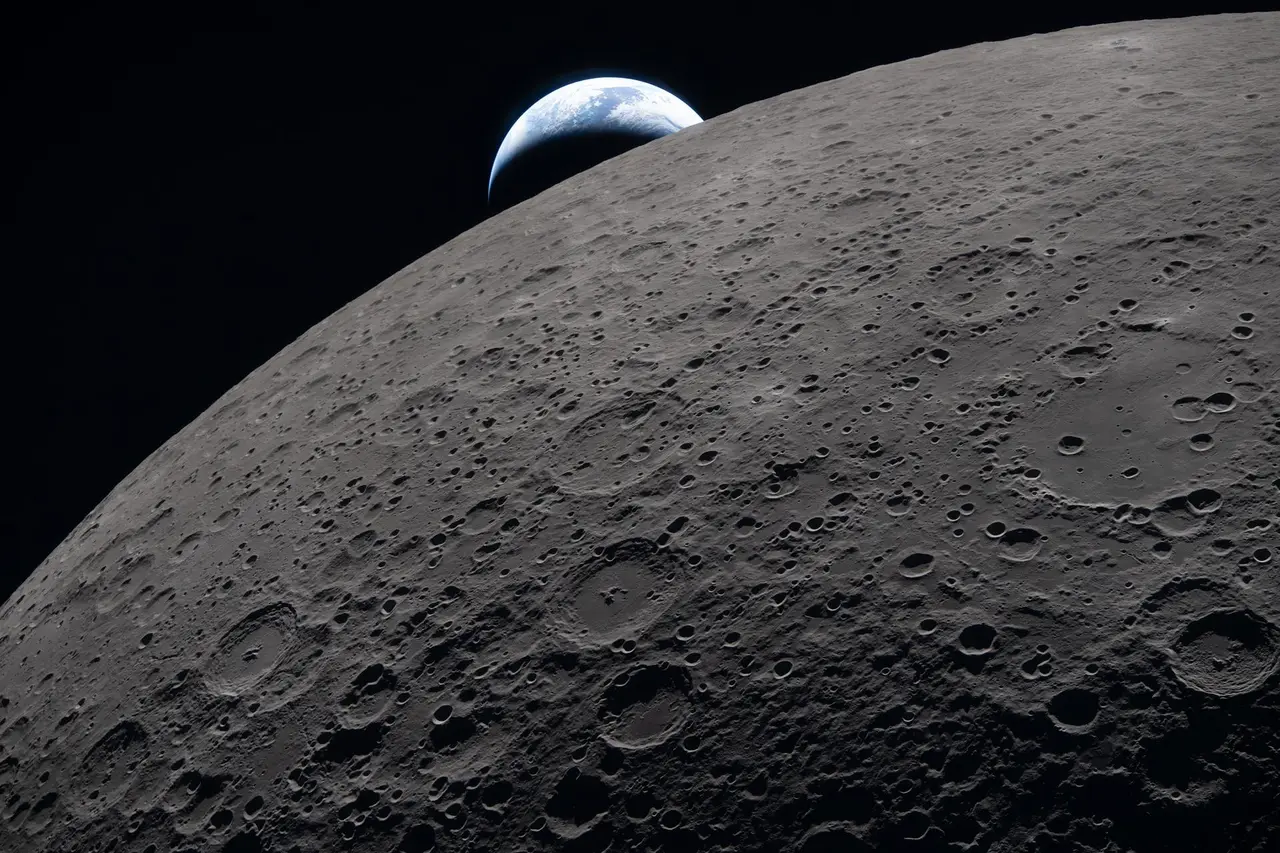
This week, like many other space-curious Americans, I tuned in to NASA's Artemis II live stream of the lunar flyby whenever I had a free moment. Every now and then, I'd find myself completely unable to look away. I was inspired by the mission, the big dreams, and the belief that the future is worth building, but I was also captivated by the communication.
I am not a scientist—I famously fulfilled my college science requirement with Physics for Poets, along with half of the theatre department. But the Artemis II crew, who've dedicated their careers to extraordinarily complex work, were describing this mythic place in clear, accessible language. I understood what was at stake, why it mattered, and what made each moment remarkable. That kind of translation from deep expertise to everyday understanding is a real skill, and it was on full display.
Before this mission, astronauts Reid Wiseman, Victor Glover, Christina Koch, and Jeremy Hansen completed extensive training, including lunar observation and photography, to identify and articulate crater shapes, surface textures, color variations, and reflectivity. During the flyby, the astronauts described specific features in precise, clear language as they saw them for the first time. These were features previously seen only through photographs taken by robots. Throughout the broadcast, the word "human" kept coming up: human eyes, human reaction, human observation, human perspective. With all the technology that went into the mission, being human was maybe the most important part.
I was moved by the evident respect and admiration among the astronauts and scientists back on Earth in Houston. Everyone seemed to understand that what they were doing was genuinely remarkable and that each person's contribution mattered. They didn't miss an opportunity to celebrate what they were witnessing. Reid Wiseman had just confirmed they were seeing live impact flashes, and Science Officer Dr. Kelsey Young's jaw dropped at the same moment mine did. While the technology aboard the Orion spacecraft is staggering, it was only part of the excitement this week. The technology and the human expertise weren't in competition; they were in service of each other.
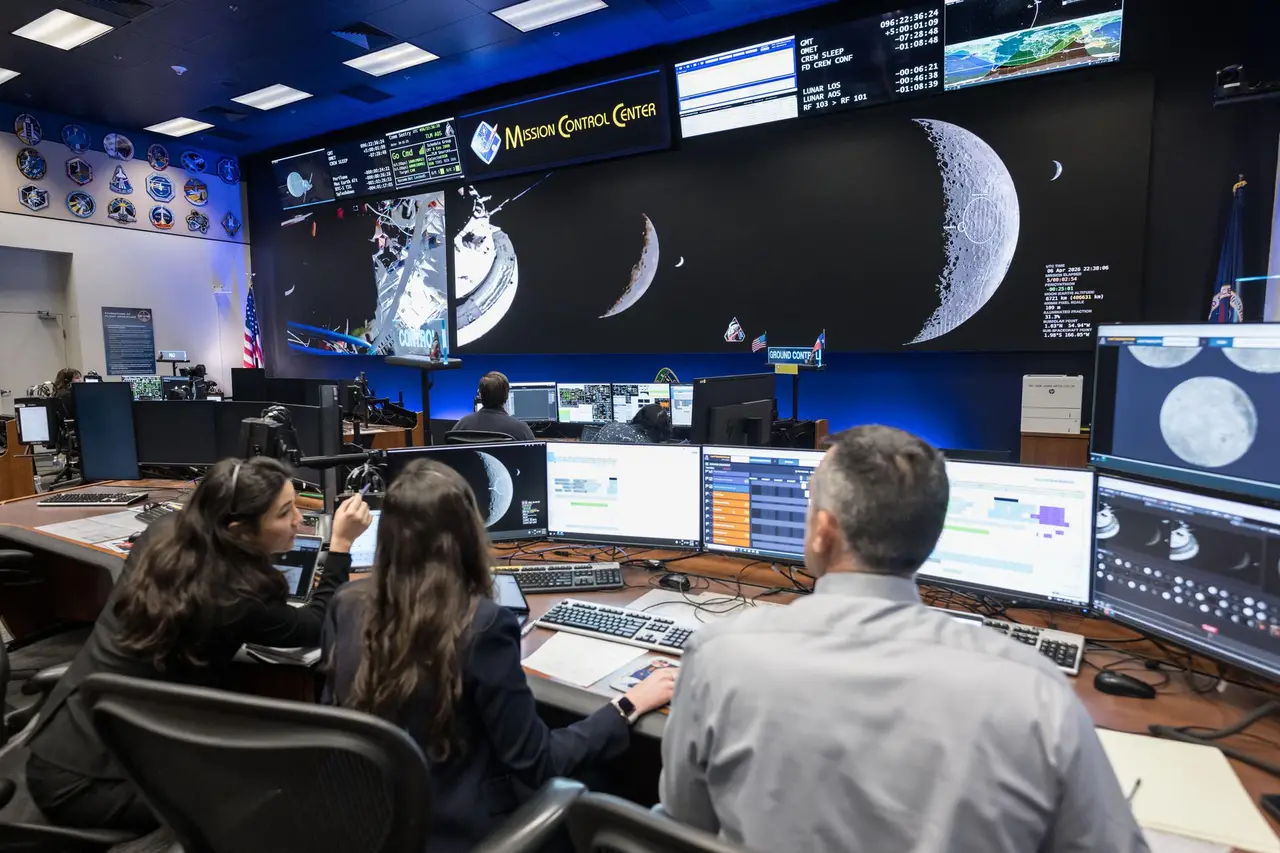
Photo courtesy of NASA
That balance is exactly what we're designing for at Dewey. We stay close to the frontiers of AI, looking for new opportunities to create the best experience with our product, but human expertise stays at the center. When you ask one of our experts a question, you'll get an answer that's uniquely theirs: a real point of view shaped by years of experience, deep relationships with the audiences they serve, and a perspective that is far from the internet average. As a team, we value and respect human genius, and we take seriously our responsibility to protect and amplify it.
That's our north star. Not replacing the expert - making their expertise more accessible. The tech is ours to build. The human genius is what makes it worth building.